
Guides
A Comprehensive Guide to the Building Safety Act 2022
5 min read
•
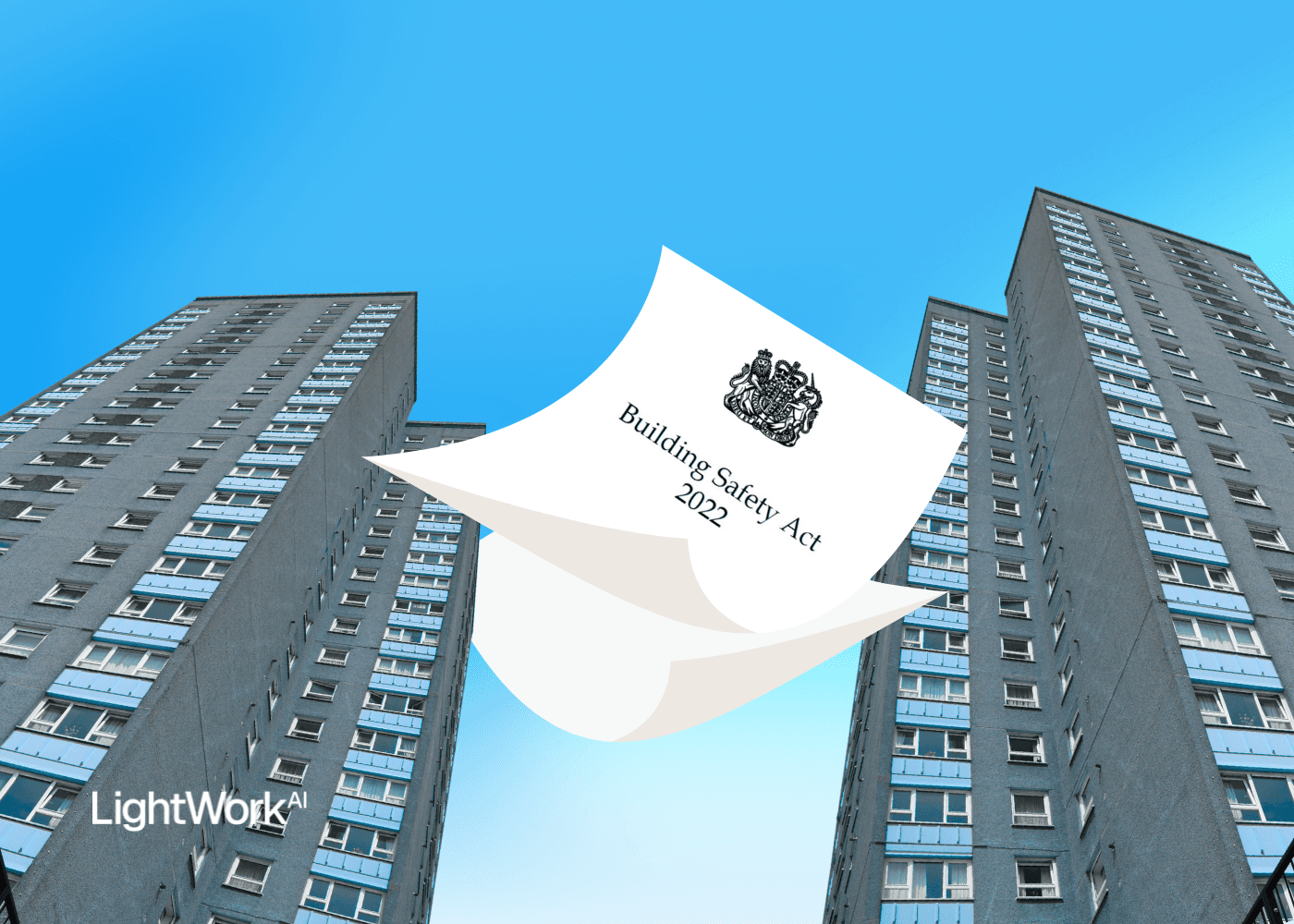
One of the most notable changes to block management legislation is the Building Safety Act 2022. Introduced in response to the tragic Grenfell Tower fire in 2017, it sets strict rules for designing, constructing, and managing buildings, in particular, high-risk buildings.
For block managers, freeholders, and managing agents, the Act not only is aimed at raising construction standards, but also brings ongoing duties, new roles and responsibilities, and tougher accountability that affect the day-to-day block management.
Background
In May 2018, the UK government commissioned a review of the building regulations and fire safety, known as the Hackitt review. This found that the provisions for high-rise and complex buildings were inadequate and not fit for purpose, identifying a number of failures.
Following this report, the Welsh government conducted a review outlining Wales-specific building safety reforms, on top of the Building Safety Act 2022. They then published the Building Safety (Description of Higher-Risk Building) (Design and Construction Phase) (Wales) Regulations 2023, which came into force on 1st January 2024.
What does the Building Safety Act 2022 Cover?
High-Risk Buildings
The Act introduces a new category of High-Risk Buildings (HRBs), defined as residential buildings that are:
At least 18 meters high, or
At least seven storeys, and
Contain two or more residential units
Duty Holders
It established Duty Holders, who hold new responsibilities during the design, construction, and occupation stages:
Clients
Building owners
Principal Designer
Principal Contractor
These individuals or organisations carry legal responsibility for ensuring building safety throughout the building’s lifecycle and are now criminally responsible to ensure that any building work carried out is compliant, subject to the Building Regulations.
Three Regulatory Bodies
It creates three new bodies to ensure there is effective oversight of the new regime:
The Building Safety Regulator
The National Regulator of Construction Products
The New Homes Ombudsman
The Building Safety Regulator (BSR)
Oversees the safety and performance of all buildings, with a special focus on HRBs. The government states this will promote competence and organisation within the sector and help the coordination of all parties involved in the building process (professionals and tradespeople).
The Building Safety Act has created a specific process for the building of a HRBs. Building work in HRBs must go through a Gateway process involving the Building Safety Regulator. Before work can begin, all planning must be approved by the BSR.
The National Construction Products Regulator
Oversees the construction products regulatory regime more effectively and leads market surveillance and enforcement in the UK sector. They are responsible for taking enforcement action according to current regulations.
The New Homes Ombudsman Scheme
Homeowners of new-build homes can escalate complaints to the New Homes Ombudsman. Developers of new-builds will be required to become members of the Ombudsman with sanctions in place for breaches of the requirements.
The Golden Thread
The Golden Thread of information, or the building’s Safety Case contains all data relating to the safety of a HRB. It provides a verified, comprehensive record covering the entire lifecycle of the building, from its construction to current operation. This is aimed at preventing confusion caused by outdated, inconsistent, or missing information. The Golden Thread must be accurate, up to date, secure, and instantly available to residents and regulators when needed.
During the building's occupation, the responsibilities lie under these two roles:
Principal Accountable Person (PAP): An individual, partnership or corporate body. They are responsible for leading and coordinating the golden thread and keeping it up-to-date, accurate, and accessible.
Other Accountable Persons (OAPs): The OAPs follow the direction of the lead PAP. With buildings that already exist, the Accountable Person (AP) will need to be proactive about finding information to assess and manage safety risks of fire spread and structural stability to update the golden thread for the building.
The Three Gateways
The Gateway System introduces critical checkpoints at each stage of the process.
Gateway 1: A fire safety statement is mandatory from the start of the design and integral to planning permission being granted. The Health and Safety Executive (HSE) is now the statutory consultee for planning applications for HRBs.
Gateway 2: Building control approval application stage for HRBs. Requires a detailed safety assessment of the building design, its functional elements according to building regulations, and how it will stay compliant, before construction begins.
Gateway 3: The BSR must approve the building is safe before residents can move in, and issue a completion certificate. This will require the ‘Golden Thread’ of the building information.
Conclusion
The Building Safety Act 2022 marks a fundamental shift in how high-risk residential buildings are designed, constructed, and managed. For block managers, freeholders, and managing agents, the Act introduces a far more rigorous and accountable safety regime. It prioritises a higher level of competence and transparency at every stage of a building’s lifecycle.
By establishing new duty holder roles, strengthening regulatory oversight, and introducing the Golden Thread and Gateway system, the Act ensures that building safety is proactively managed rather than reactively addressed. While compliance may require significant operational changes, it ultimately creates safer homes, clearer responsibilities, and stronger safeguards for residents.
As the new regulatory framework continues to roll out, an understanding of these obligations is vital and integrating the measures into day-to-day block management will ensure all stakeholders involved in the residential built environment stay compliant.
Automation, efficiency and compliance on your agenda? Contact LightWork AI or book a demo today to see how we can optimise your operations.

Guides
A Comprehensive Guide to the Building Safety Act 2022
5 min read
•
One of the most notable changes to block management legislation is the Building Safety Act 2022. Introduced in response to the tragic Grenfell Tower fire in 2017, it sets strict rules for designing, constructing, and managing buildings, in particular, high-risk buildings.
For block managers, freeholders, and managing agents, the Act not only is aimed at raising construction standards, but also brings ongoing duties, new roles and responsibilities, and tougher accountability that affect the day-to-day block management.
Background
In May 2018, the UK government commissioned a review of the building regulations and fire safety, known as the Hackitt review. This found that the provisions for high-rise and complex buildings were inadequate and not fit for purpose, identifying a number of failures.
Following this report, the Welsh government conducted a review outlining Wales-specific building safety reforms, on top of the Building Safety Act 2022. They then published the Building Safety (Description of Higher-Risk Building) (Design and Construction Phase) (Wales) Regulations 2023, which came into force on 1st January 2024.
What does the Building Safety Act 2022 Cover?
High-Risk Buildings
The Act introduces a new category of High-Risk Buildings (HRBs), defined as residential buildings that are:
At least 18 meters high, or
At least seven storeys, and
Contain two or more residential units
Duty Holders
It established Duty Holders, who hold new responsibilities during the design, construction, and occupation stages:
Clients
Building owners
Principal Designer
Principal Contractor
These individuals or organisations carry legal responsibility for ensuring building safety throughout the building’s lifecycle and are now criminally responsible to ensure that any building work carried out is compliant, subject to the Building Regulations.
Three Regulatory Bodies
It creates three new bodies to ensure there is effective oversight of the new regime:
The Building Safety Regulator
The National Regulator of Construction Products
The New Homes Ombudsman
The Building Safety Regulator (BSR)
Oversees the safety and performance of all buildings, with a special focus on HRBs. The government states this will promote competence and organisation within the sector and help the coordination of all parties involved in the building process (professionals and tradespeople).
The Building Safety Act has created a specific process for the building of a HRBs. Building work in HRBs must go through a Gateway process involving the Building Safety Regulator. Before work can begin, all planning must be approved by the BSR.
The National Construction Products Regulator
Oversees the construction products regulatory regime more effectively and leads market surveillance and enforcement in the UK sector. They are responsible for taking enforcement action according to current regulations.
The New Homes Ombudsman Scheme
Homeowners of new-build homes can escalate complaints to the New Homes Ombudsman. Developers of new-builds will be required to become members of the Ombudsman with sanctions in place for breaches of the requirements.
The Golden Thread
The Golden Thread of information, or the building’s Safety Case contains all data relating to the safety of a HRB. It provides a verified, comprehensive record covering the entire lifecycle of the building, from its construction to current operation. This is aimed at preventing confusion caused by outdated, inconsistent, or missing information. The Golden Thread must be accurate, up to date, secure, and instantly available to residents and regulators when needed.
During the building's occupation, the responsibilities lie under these two roles:
Principal Accountable Person (PAP): An individual, partnership or corporate body. They are responsible for leading and coordinating the golden thread and keeping it up-to-date, accurate, and accessible.
Other Accountable Persons (OAPs): The OAPs follow the direction of the lead PAP. With buildings that already exist, the Accountable Person (AP) will need to be proactive about finding information to assess and manage safety risks of fire spread and structural stability to update the golden thread for the building.
The Three Gateways
The Gateway System introduces critical checkpoints at each stage of the process.
Gateway 1: A fire safety statement is mandatory from the start of the design and integral to planning permission being granted. The Health and Safety Executive (HSE) is now the statutory consultee for planning applications for HRBs.
Gateway 2: Building control approval application stage for HRBs. Requires a detailed safety assessment of the building design, its functional elements according to building regulations, and how it will stay compliant, before construction begins.
Gateway 3: The BSR must approve the building is safe before residents can move in, and issue a completion certificate. This will require the ‘Golden Thread’ of the building information.
Conclusion
The Building Safety Act 2022 marks a fundamental shift in how high-risk residential buildings are designed, constructed, and managed. For block managers, freeholders, and managing agents, the Act introduces a far more rigorous and accountable safety regime. It prioritises a higher level of competence and transparency at every stage of a building’s lifecycle.
By establishing new duty holder roles, strengthening regulatory oversight, and introducing the Golden Thread and Gateway system, the Act ensures that building safety is proactively managed rather than reactively addressed. While compliance may require significant operational changes, it ultimately creates safer homes, clearer responsibilities, and stronger safeguards for residents.
As the new regulatory framework continues to roll out, an understanding of these obligations is vital and integrating the measures into day-to-day block management will ensure all stakeholders involved in the residential built environment stay compliant.
Automation, efficiency and compliance on your agenda? Contact LightWork AI or book a demo today to see how we can optimise your operations.

Guides
A Comprehensive Guide to the Building Safety Act 2022
5 min read
•
One of the most notable changes to block management legislation is the Building Safety Act 2022. Introduced in response to the tragic Grenfell Tower fire in 2017, it sets strict rules for designing, constructing, and managing buildings, in particular, high-risk buildings.
For block managers, freeholders, and managing agents, the Act not only is aimed at raising construction standards, but also brings ongoing duties, new roles and responsibilities, and tougher accountability that affect the day-to-day block management.
Background
In May 2018, the UK government commissioned a review of the building regulations and fire safety, known as the Hackitt review. This found that the provisions for high-rise and complex buildings were inadequate and not fit for purpose, identifying a number of failures.
Following this report, the Welsh government conducted a review outlining Wales-specific building safety reforms, on top of the Building Safety Act 2022. They then published the Building Safety (Description of Higher-Risk Building) (Design and Construction Phase) (Wales) Regulations 2023, which came into force on 1st January 2024.
What does the Building Safety Act 2022 Cover?
High-Risk Buildings
The Act introduces a new category of High-Risk Buildings (HRBs), defined as residential buildings that are:
At least 18 meters high, or
At least seven storeys, and
Contain two or more residential units
Duty Holders
It established Duty Holders, who hold new responsibilities during the design, construction, and occupation stages:
Clients
Building owners
Principal Designer
Principal Contractor
These individuals or organisations carry legal responsibility for ensuring building safety throughout the building’s lifecycle and are now criminally responsible to ensure that any building work carried out is compliant, subject to the Building Regulations.
Three Regulatory Bodies
It creates three new bodies to ensure there is effective oversight of the new regime:
The Building Safety Regulator
The National Regulator of Construction Products
The New Homes Ombudsman
The Building Safety Regulator (BSR)
Oversees the safety and performance of all buildings, with a special focus on HRBs. The government states this will promote competence and organisation within the sector and help the coordination of all parties involved in the building process (professionals and tradespeople).
The Building Safety Act has created a specific process for the building of a HRBs. Building work in HRBs must go through a Gateway process involving the Building Safety Regulator. Before work can begin, all planning must be approved by the BSR.
The National Construction Products Regulator
Oversees the construction products regulatory regime more effectively and leads market surveillance and enforcement in the UK sector. They are responsible for taking enforcement action according to current regulations.
The New Homes Ombudsman Scheme
Homeowners of new-build homes can escalate complaints to the New Homes Ombudsman. Developers of new-builds will be required to become members of the Ombudsman with sanctions in place for breaches of the requirements.
The Golden Thread
The Golden Thread of information, or the building’s Safety Case contains all data relating to the safety of a HRB. It provides a verified, comprehensive record covering the entire lifecycle of the building, from its construction to current operation. This is aimed at preventing confusion caused by outdated, inconsistent, or missing information. The Golden Thread must be accurate, up to date, secure, and instantly available to residents and regulators when needed.
During the building's occupation, the responsibilities lie under these two roles:
Principal Accountable Person (PAP): An individual, partnership or corporate body. They are responsible for leading and coordinating the golden thread and keeping it up-to-date, accurate, and accessible.
Other Accountable Persons (OAPs): The OAPs follow the direction of the lead PAP. With buildings that already exist, the Accountable Person (AP) will need to be proactive about finding information to assess and manage safety risks of fire spread and structural stability to update the golden thread for the building.
The Three Gateways
The Gateway System introduces critical checkpoints at each stage of the process.
Gateway 1: A fire safety statement is mandatory from the start of the design and integral to planning permission being granted. The Health and Safety Executive (HSE) is now the statutory consultee for planning applications for HRBs.
Gateway 2: Building control approval application stage for HRBs. Requires a detailed safety assessment of the building design, its functional elements according to building regulations, and how it will stay compliant, before construction begins.
Gateway 3: The BSR must approve the building is safe before residents can move in, and issue a completion certificate. This will require the ‘Golden Thread’ of the building information.
Conclusion
The Building Safety Act 2022 marks a fundamental shift in how high-risk residential buildings are designed, constructed, and managed. For block managers, freeholders, and managing agents, the Act introduces a far more rigorous and accountable safety regime. It prioritises a higher level of competence and transparency at every stage of a building’s lifecycle.
By establishing new duty holder roles, strengthening regulatory oversight, and introducing the Golden Thread and Gateway system, the Act ensures that building safety is proactively managed rather than reactively addressed. While compliance may require significant operational changes, it ultimately creates safer homes, clearer responsibilities, and stronger safeguards for residents.
As the new regulatory framework continues to roll out, an understanding of these obligations is vital and integrating the measures into day-to-day block management will ensure all stakeholders involved in the residential built environment stay compliant.
Automation, efficiency and compliance on your agenda? Contact LightWork AI or book a demo today to see how we can optimise your operations.
Featured Blogs
Ready to let Felicity handle the admin?
Book a walk-through to see exactly how Felicity can streamline your property operations
AI-powered property operations for UK estate agency teams.
83 Victoria Street, London, SW1H 0HW
© 2026 LightWork Holding Ltd. Company No. 15027977 · VAT: GB488579216

Ready to let Felicity handle
the admin?
Book a walk-through to see exactly how Felicity can streamline your property operations
AI-powered property operations for UK estate agency teams.
83 Victoria Street, London, SW1H 0HW
© 2026 LightWork Holding Ltd. Company No. 15027977 · VAT: GB488579216
Ready to let Felicity handle the admin?
Book a walk-through to see exactly how Felicity can streamline your property operations
AI-powered property operations for UK estate agency teams.
83 Victoria Street, London, SW1H 0HW
© 2026 LightWork Holding Ltd. Company No. 15027977 · VAT: GB488579216